
Markets rarely move in a perfectly predictable way. Prices accelerate, reverse, consolidate, and respond to economic information with little warning. For traders, the challenge is not simply finding an entry signal. It is developing a framework that can interpret changing market conditions while keeping potential losses under control.
A robust trading approach brings several elements together rather than relying on a single indicator or strategy. Market structure can provide context, volatility can explain the pace and scale of price movements, and risk management can determine how much capital is exposed. When these components work together, trading decisions become more systematic and less dependent on emotion.
Understanding Market Structure Before Taking a Position
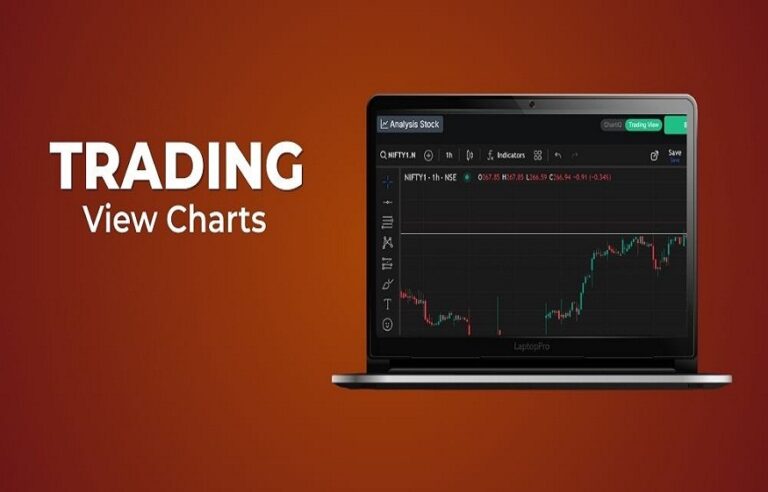
Market structure is the foundation of many technical trading approaches because it helps traders understand how price is behaving over time. Instead of viewing every candle as an isolated event, traders can examine sequences of higher highs and higher lows, lower highs and lower lows, or periods where price moves sideways. These patterns provide a framework for identifying potential trends and consolidation zones.
A market making consistent higher highs and higher lows may indicate an upward structure, while the opposite sequence can suggest downward pressure. However, structure should not be treated as a guarantee of what happens next. Markets can break established patterns because of economic releases, changes in sentiment, unexpected news, or shifts in liquidity. A useful framework therefore treats market structure as context rather than certainty.
Timeframe selection also matters. A short-term chart can show a temporary move that conflicts with the broader direction visible on a daily or weekly chart. Traders who understand this distinction can avoid interpreting a small price movement as a major trend reversal. Looking across multiple timeframes can provide a more complete picture and help align entries with the conditions that actually matter to the chosen trading horizon.
Read More: Top Reasons to Buy Gold Online
Using Volatility to Read Market Conditions
Volatility describes how significantly and quickly prices fluctuate. It is an important part of trading because the same strategy can behave very differently in a quiet market compared with a highly active one. A narrow trading range may require different expectations from a market experiencing large daily price swings.
Tools such as Average True Range, historical volatility measures, and implied volatility can help traders assess changing conditions. These tools do not predict direction, but they can provide information about the magnitude of movement the market has recently experienced or may be pricing in. This distinction is important because volatility answers a different question from market structure. Structure focuses largely on how price is organised, while volatility helps describe how forcefully price is moving.
Volatility can also influence stop-loss placement and position sizing. A stop placed extremely close to the entry may be repeatedly triggered during normal market fluctuations, while a very wide stop can expose too much capital. Experienced risk management therefore considers the market’s current movement rather than applying identical distances to every trade. Platforms and brokers such as adss.com can form part of a trader’s broader execution setup, but the underlying decision-making process should remain independent of any particular provider.
Turning Risk Management Into a Core Process
Risk management is often discussed as an important trading principle, but it becomes much more useful when translated into specific rules. Before entering a trade, a trader should know how much capital could be lost if the setup fails, where the position becomes invalid, and whether the potential reward justifies the risk being taken.
Position sizing is one of the clearest ways to connect analysis with risk. Rather than choosing a position size simply because it feels comfortable, traders can determine the amount they are willing to risk and then calculate the position based on the distance to the planned stop. This approach means that a wider stop does not automatically require accepting a larger potential loss. Instead, the position can be adjusted to keep risk within a predetermined range.
Diversification and exposure limits can also strengthen a trading framework. Holding several positions that appear different may still create concentrated exposure if they are driven by similar economic factors. Currency pairs, equity indices, commodities, and other instruments can sometimes move together during periods of market stress. Monitoring correlations and total exposure helps traders consider the portfolio as a whole rather than evaluating every position in isolation.
Read More: APDCL Bill for Assam Tenants: Change Electricity Account Name
Conclusion
Successful trading is not built around predicting every market movement correctly. It is built around making decisions that remain sensible when predictions fail. By studying structure, adapting to volatility, and defining risk before entering a position, traders can create a framework designed to withstand the uncertainty inherent in financial markets.
The strongest framework is one that can be explained clearly, tested consistently, and improved through experience. Rather than searching for certainty, traders can focus on controlling what they can control: their analysis, exposure, execution, and response to changing conditions. That mindset provides a practical foundation for navigating markets with discipline and purpose.
About the Author