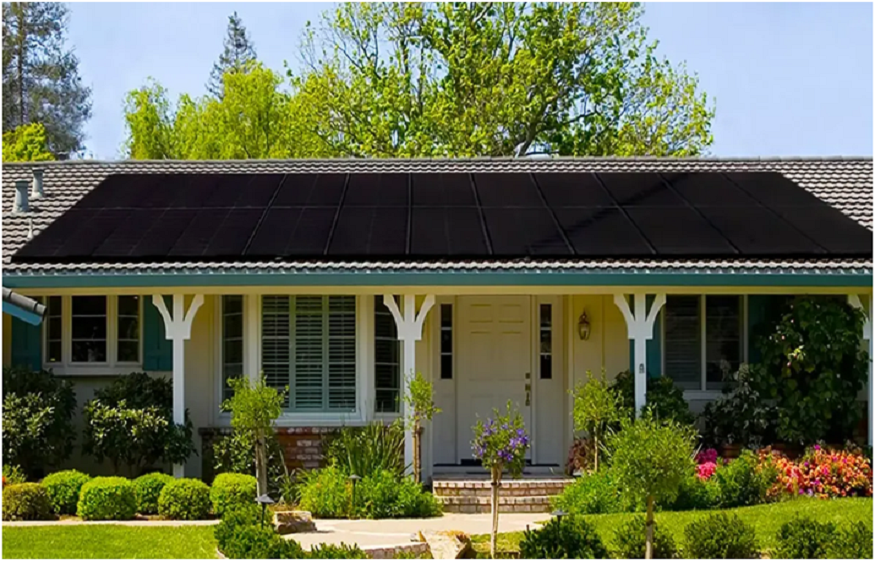
Electricity costs rarely move in a business owner’s favor. Month after month, utility bills creep upward, and what once felt like a manageable expense slowly becomes a serious operational cost. Solar power has changed that equation for many companies.
A well-designed system can offset a significant portion of energy consumption and stabilize long-term costs. Still, the success of any project depends less on the panels themselves and more on the people planning and installing them. That’s why the first and most important step is choosing the right commercial solar panel installation company.
Start With a Clear Picture of Your Energy Use
Every commercial building behaves differently when it comes to electricity. A retail store has a very different load profile than a warehouse or a medical office. Some businesses draw heavy power during the day. Others spike in the evening.
Before recommending equipment or system size, a thoughtful commercial solar panel installation company will study how your facility actually uses power. That means reviewing utility history, examining roof conditions, and evaluating structural capacity. It also means asking questions about your operations.
At Rate Reduction CA, this stage matters more than most people realize. Without a careful assessment of energy demand, a solar project becomes guesswork. With the right data, it becomes a smart long-term investment.
Experience Matters More Than Marketing
Commercial Solar Projects Are Not Just Big Residential Solar Projects. The Electrical Infrastructure Involves More Complexity, Permitting Processes Are More Stringent; The Engineering Needs To Address Structural Loads And Equipment Placement As Well As Safety Compliance.
Experienced commercial solar panel contractors will know how to contend with these types of issues. Inquire about their previous commercial projects, and the types of facilities they have installed solar panel systems at. If they have installed systems in a distribution center, office building or manufacturing facility, they understand some of the challenges you may face in those settings.
At Rate Reduction CA, commercial clients often arrive with a simple goal: reduce operating costs without disrupting daily business. Achieving that requires careful planning and installers who know how to work around active commercial operations.
Pay Attention to System Design
The design phase tells you a great deal about a solar provider. Some companies rush straight to pricing. The better ones slow down and map the system properly.
A good commercial solar panel installation provider will give you a detailed plan that shows where the panels will go, how the system will work, and what kind of output you can expect all year long.
Modern systems often include monitoring platforms that allow businesses to track performance in real time. Increasingly, companies are also exploring energy storage. Pairing solar with battery technology can provide backup power and help businesses avoid expensive peak-rate electricity.
Those conversations, on how energy is generated, stored, and managed, are where experienced installers stand apart.
Understand Incentives and Financial Options
Solar projects are often more affordable than business owners expect, largely because of available incentives. Federal tax credits, local energy programs, and accelerated depreciation can significantly reduce the overall cost.
Read More: What Is Statistics and What Is Its Value in Present-day Research?
A good commercial solar installation provider will provide a straightforward explanation of these financial incentives, as well as help identify what financial incentives may apply to your particular facility location. The way solar system financing is structured also varies. Some commercial solar installers pay cash upfront for solar systems (the retail model), while some only offer limited kinds of solar financing agreements or solar lease agreements (where a business only pays for the energy used over time).
At Rate Reduction CA, these discussions are practical and straightforward. The goal isn’t to push a particular financing model. It’s to help businesses understand the numbers and choose the option that fits their situation.
Look Beyond Installation
Solar systems are built to last decades. That longevity makes post-installation support incredibly important.
When choosing a business solar panel installation firm, make sure you know what occurs when the system is turned on. Will the supplier keep an eye on how well the system works? Is maintenance available if you need it? Are warranties clearly defined?
Reliable service matters. Panels may sit quietly on a roof, but they’re still part of a complex electrical system that benefits from occasional oversight.
Businesses working with Rate Reduction CA often mention this point. They appreciate having a knowledgeable team available long after the installation is complete.
Work With a Company That Handles the Whole Process
Solar projects involve several moving parts. There’s engineering, permitting, inspections, utility coordination, and,, of cour,se the physical installation itself. Trying to manage those elements separately an becourse frustrating very quickly.
Read More: How to Download Aadhaar Card Online Using Registered Mobile Number
That’s why many businesses prefer a commercial solar panel installation company that handles the process from start to finish. A single, experienced team simplifies communication and keeps the project moving forward.
At Rate Reduction CA, our role is to guide clients through the entire proce ss,from early evaluation to final activation. Business owners already have enough on their plates. Solar should simplitsheir energy strategy, not complicate it.
Why Businesses Work With Rate Reduction CA?
Choosing solar is a long-term decision. The system installed today will influence operating costs for decades. That’s why careful planning matters.
At Rate Reduction CA, we focus on building systems that make practical sense for commercial clients. We evaluate real energy usage, design efficient systems, and manage installation with minimal disruption to daily operations. Many businesses also explore energy storage as part of their system, and we help them assess whether solar battery installation makes sense for their facility.
If your business is considering solar energy, now is a good time to start the conversation. Contact Rate Reduction CA today to schedule a consultation and learn how a professionally designed system can reduce your long-term energy costs.
FAQs
1. What roles are played by a company that installs commercial solar panels?
Commercial solar installers provide custom designed solar energy systems to their customers who operate a business. A commercial custom-designed process often includes an energy analysis, engineering, permitting, installation and monitoring of the system(s) being installed.
2. What is the typical size of a commercial solar installation?
The size is dependent upon how much energy a business uses and how much installation space it can provide. Some businesses may use smaller roof top systems while others may install much larger systems that are capable of creating rooftop energy to power their entire building.
3. What is the typical timeframe for an installation to occur?
After obtaining the appropriate permits, the installation of the solar energy system usually takes between a few days and potentially a few weeks, again depending upon the size of the installation as well as the complexity of the building being installed.
4. Do solar panels continue to produce power during a power outage?
Most solar energy installations are turned off during a power outage to provide for safety reasons. If a solar energy installation is combined with a battery station, the system will continue to produce power during an outage.
5. Is it worthwhile for a business to install battery backup with their solar panels?
Most businesses will find that installing a battery backup with their installation will allow them to have a backup source of energy during a power outage, as well as provide them with an additional means of reducing their dependence on the grid.
About the Author