Inheriting a property can bring a mixture of emotions and responsibilities, particularly when deciding whether to keep, rent or sell the home. Alongside the personal significance of the property, there are legal, financial, and practical considerations that need careful attention.
For those considering a sale, understanding the process can help avoid unnecessary complications. Working with experienced Estate agents in Kensington can provide valuable insight into local property values, buyer expectations and the steps involved in bringing an inherited home to market.
Understanding Probate Before Selling
Probate is the legal process that gives an authorised person the right to administer someone’s estate after their death. This includes managing assets, settling outstanding liabilities, and distributing the remaining estate according to the will or applicable inheritance laws.
When a property forms part of the estate, executors will usually need a grant of probate before completing its sale. If there is no will, an eligible person may instead need letters of administration.
Probate is not required in every situation, particularly where ownership passes automatically to a surviving joint owner.
Read More: Renting a New Home: 8 Things You Can Save Money On
Government guidance advises obtaining probate before putting an estate property on the market. Executors should therefore establish their legal authority and seek advice before proceeding.
Understanding Your Inherited Property’s Value
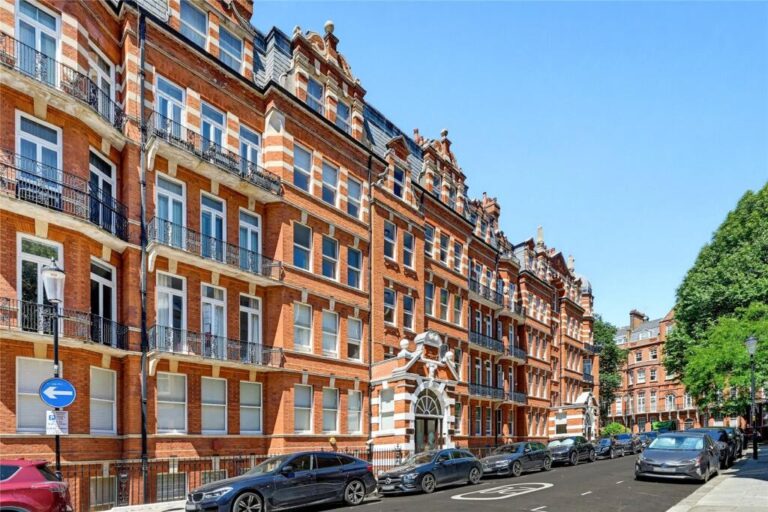
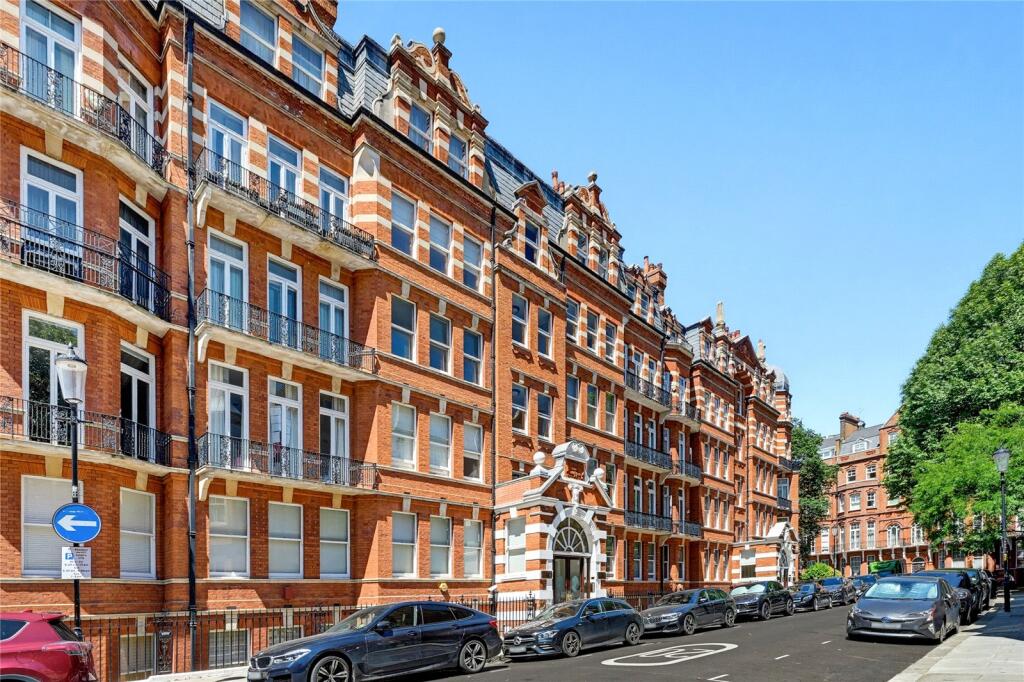
Establishing an accurate property value is particularly important in Kensington, where housing stock ranges from period apartments and mansion flats to substantial townhouses.
Properties near Kensington High Street, Holland Park and South Kensington can differ considerably in size, condition, tenure and architectural character.
An inherited property’s value may depend on several factors:
- Location and proximity to transport connections.
- Overall condition and refurbishment requirements.
- Lease length, service charges, and tenure arrangements.
- Outdoor space, internal layout, and period features.
- Recent comparable property transactions.
Executors may need a valuation reflecting the property’s market value at the date of death for inheritance tax purposes.
This is distinct from a later marketing valuation, which considers current market conditions and what buyers may reasonably pay.
Obtaining appropriate professional valuations can help establish a defensible property value and support informed selling decisions.
Preparing an Inherited Home for Sale
Inherited properties sometimes require additional preparation, especially if they have been unoccupied or have not undergone maintenance for several years.
Begin with a thorough inspection to identify structural concerns, damp, outdated installations, or other defects requiring attention.
It is also worth checking the property’s insurance arrangements, as standard home insurance may impose conditions or exclusions when a property is unoccupied.
Before marketing, consider:
- Clearing personal possessions once authorised and agreed.
- Completing essential repairs and addressing safety concerns.
- Cleaning and presenting rooms to highlight available space.
- Maintaining gardens, entrances, and communal areas where appropriate.
- Gathering relevant documentation, including guarantees and building approvals.
Major renovations are not always necessary. Sometimes straightforward improvements, such as redecorating or repairing damaged fixtures, can make a meaningful difference.
Consider the likely return on expenditure before committing estate funds to extensive refurbishment.
Understanding Inheritance Tax and Capital Gains Tax
Tax considerations can influence the financial outcome of selling an inherited property.
In the 2026/27 tax year, the standard inheritance tax nil-rate band is £325,000. An additional residence nil-rate band of up to £175,000 may apply when a qualifying home passes to direct descendants, subject to eligibility conditions and tapering rules.
Inheritance tax is generally calculated on the estate’s value, rather than automatically being charged because someone inherits a property.
Capital gains tax may become relevant if the property increases in value between the date of death and its subsequent sale.
Where a taxable gain arises from selling UK residential property, reporting and payment are generally required within 60 days of completion.
Read More: Building a Robust Trading Framework: Combining Market Structure, Volatility and Risk
The precise position depends on who sells the property, ownership arrangements, available reliefs and individual circumstances.
Professional tax advice is particularly valuable for higher-value estates or properties involving multiple beneficiaries.
Choosing the Right Estate Agent in Kensington
Selling an inherited property requires more than advertising it online. Accurate pricing, appropriate marketing, and effective communication can significantly influence the experience.
Experienced Estate agents in Kensington can assess comparable transactions, identify suitable buyer audiences and recommend a marketing strategy tailored to the property’s characteristics.
When selecting an agent, consider their local market knowledge, experience selling similar properties, and approach to negotiations.
Ask how they intend to present the home, manage viewings and communicate progress throughout the transaction.
A realistic asking price supported by market evidence is generally more useful than an ambitious valuation designed simply to secure instruction.
Managing Decisions with Multiple Beneficiaries
Inherited property sales can become complicated when several beneficiaries have an interest in the estate.
Although executors or administrators are responsible for administering estate assets, keeping beneficiaries appropriately informed can help maintain trust and reduce disagreements.
Discuss important matters early, including the proposed sale, property improvements, expected costs and anticipated timescales.
Where disagreements arise, professional legal advice can help clarify responsibilities and identify an appropriate way forward.
Maintaining written records of significant decisions and expenditure also supports transparency.
Working with a Solicitor During the Sale
A solicitor or conveyancer experienced in inherited property transactions can help manage the legal requirements of the sale.
This may include reviewing probate documentation, confirming ownership, preparing contracts, and responding to buyers’ enquiries.
Leasehold properties may require additional information from freeholders or managing agents, particularly regarding service charges, ground rent, and building management arrangements.
Starting these enquiries early can reduce avoidable delays once a buyer is found.
Making an Informed Decision About Your Inherited Property
Selling an inherited property in Kensington involves balancing emotional considerations with legal responsibilities and financial decisions.
Understanding probate, obtaining reliable valuations, preparing the property appropriately, and seeking specialist advice can make the process more manageable.
With careful planning, clear communication and knowledgeable professional support, executors and beneficiaries can approach the sale confidently while protecting the estate’s interests and achieving a fair outcome.
About the Author